How Yoga Improves Your Mental Health
We’ve all heard it before: "Yoga is great for stress!" But if you’re like many of my students, you might be skeptical. You might think yoga helps simply because it’s a form of exercise— you get a "runner’s high" with less cardio or lifting.
While the dopamine boost from stretching and flexing your muscles is very real, the truth is much more fascinating. Yoga doesn't just make you feel better; it literally re-programs your biological hardware.
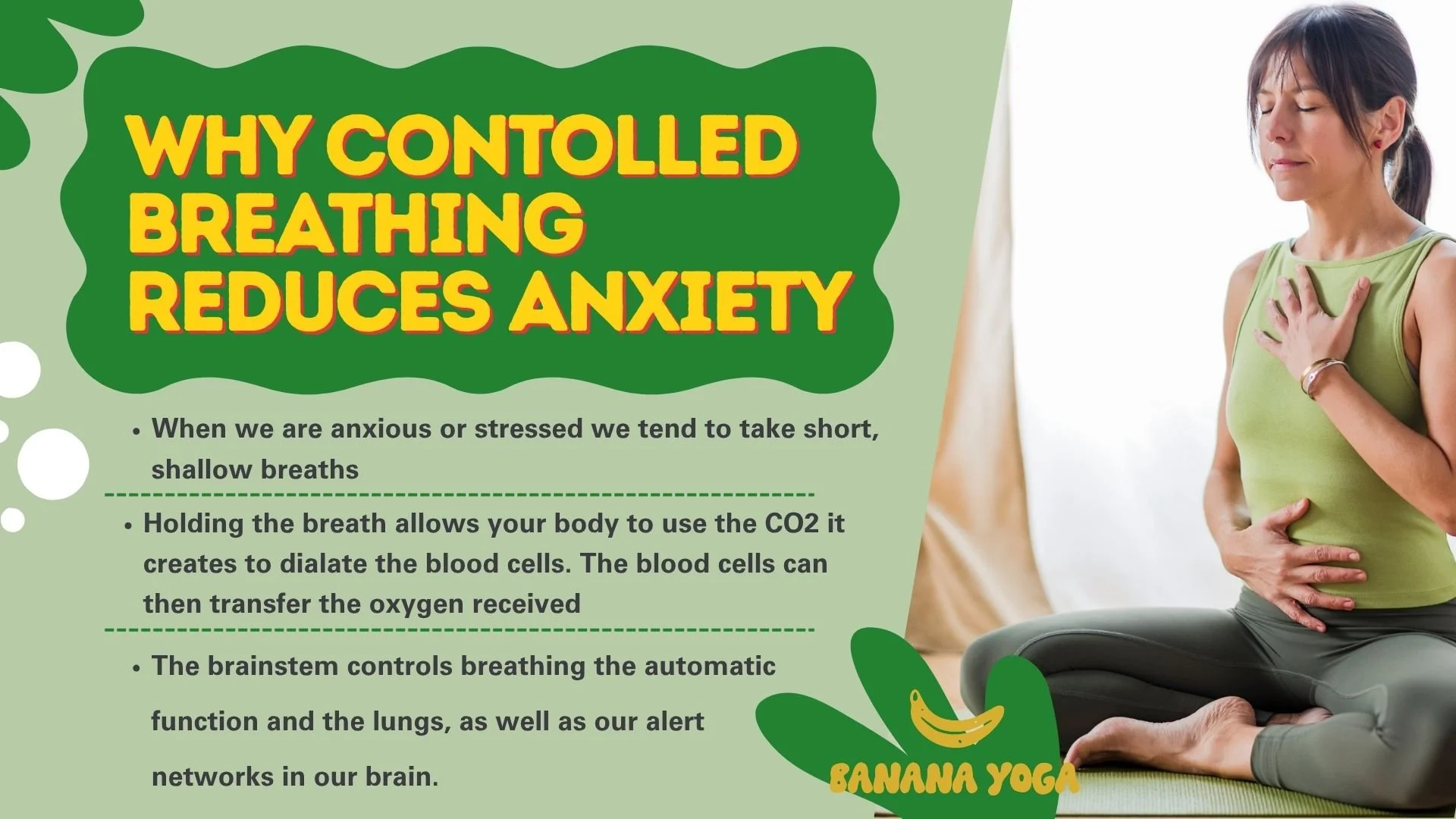
It’s Not Just Exercise—It’s Brain Chemistry
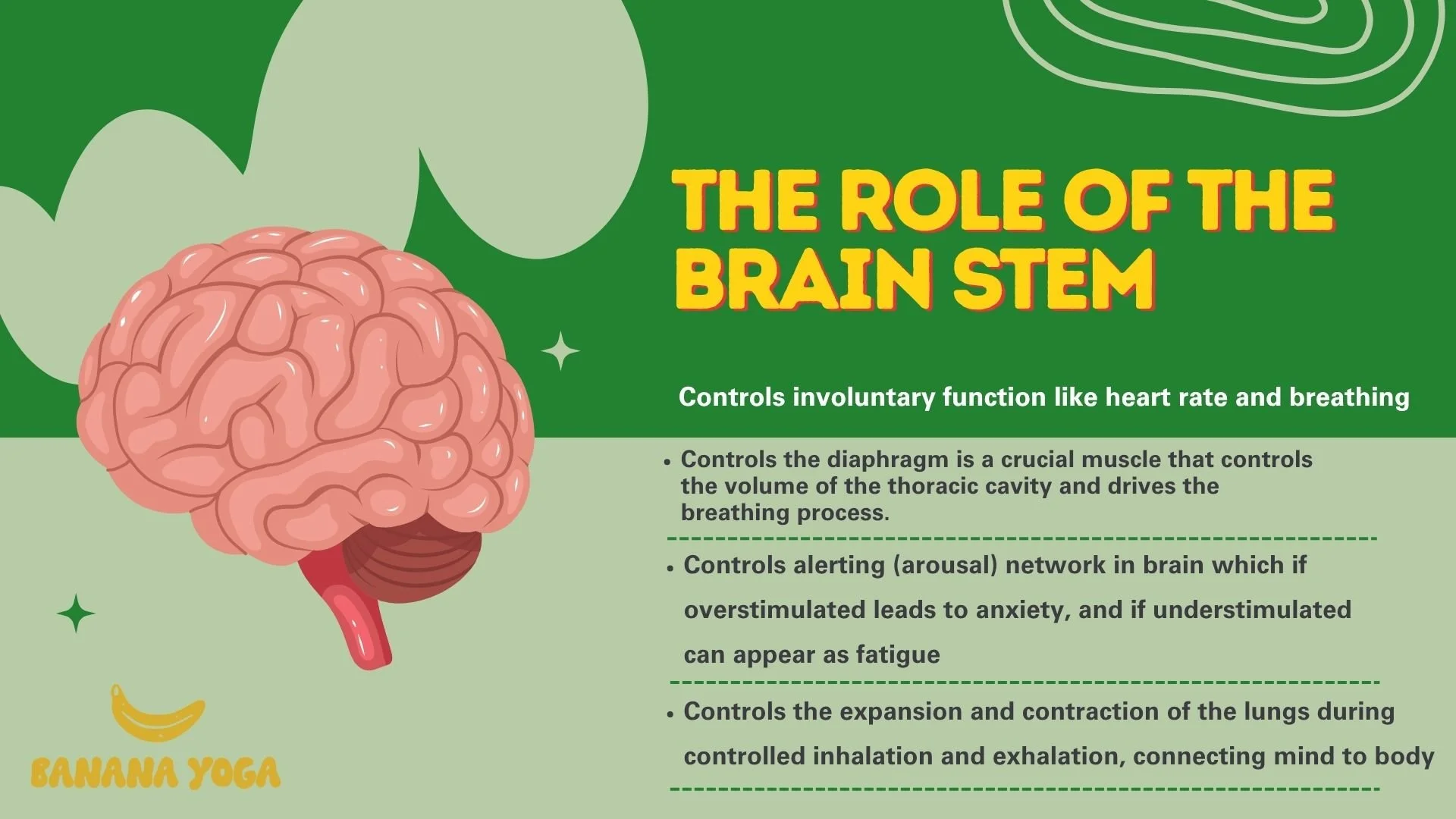
Most workouts focus on "doing." Yoga focuses on "being" while doing. When you flex and stretch simultaneously, your body releases a chemical cocktail that rivals a runner's high. But the real magic happens in the Arousal Network of your brain.
Controlled by your brainstem, this network tells your body when to be awake and ready. When this network is overstimulated, you feel anxiety. When it’s understimulated, you feel fatigued. By combining physical effort with focused attention, yoga regulates this network, moving you out of "panic mode" and into a state of relaxed attention.
The Science of the "Quiet Mind"
Have you ever noticed how hard it is to focus when you’re stressed? That’s your Orienting Network (closely tied to your eyes) failing to tell your brain where your attention should go.
In a typical class, I see students walk in fidgety, eyes darting to their phones. By using yoga to regulate the orienting network, we practice "mental letting go."
We use physical effort to anchor the mind. This is why a 2023 study showed that regular yoga and meditation significantly reduced ADHD symptoms in children—it trains the brain to choose its focus rather than being a victim of distraction.
"Breathe Louder Than Your Thoughts"
This is my favorite cue for a reason. When we are anxious, we take short, shallow breaths. This keeps us trapped in a cycle of stress.
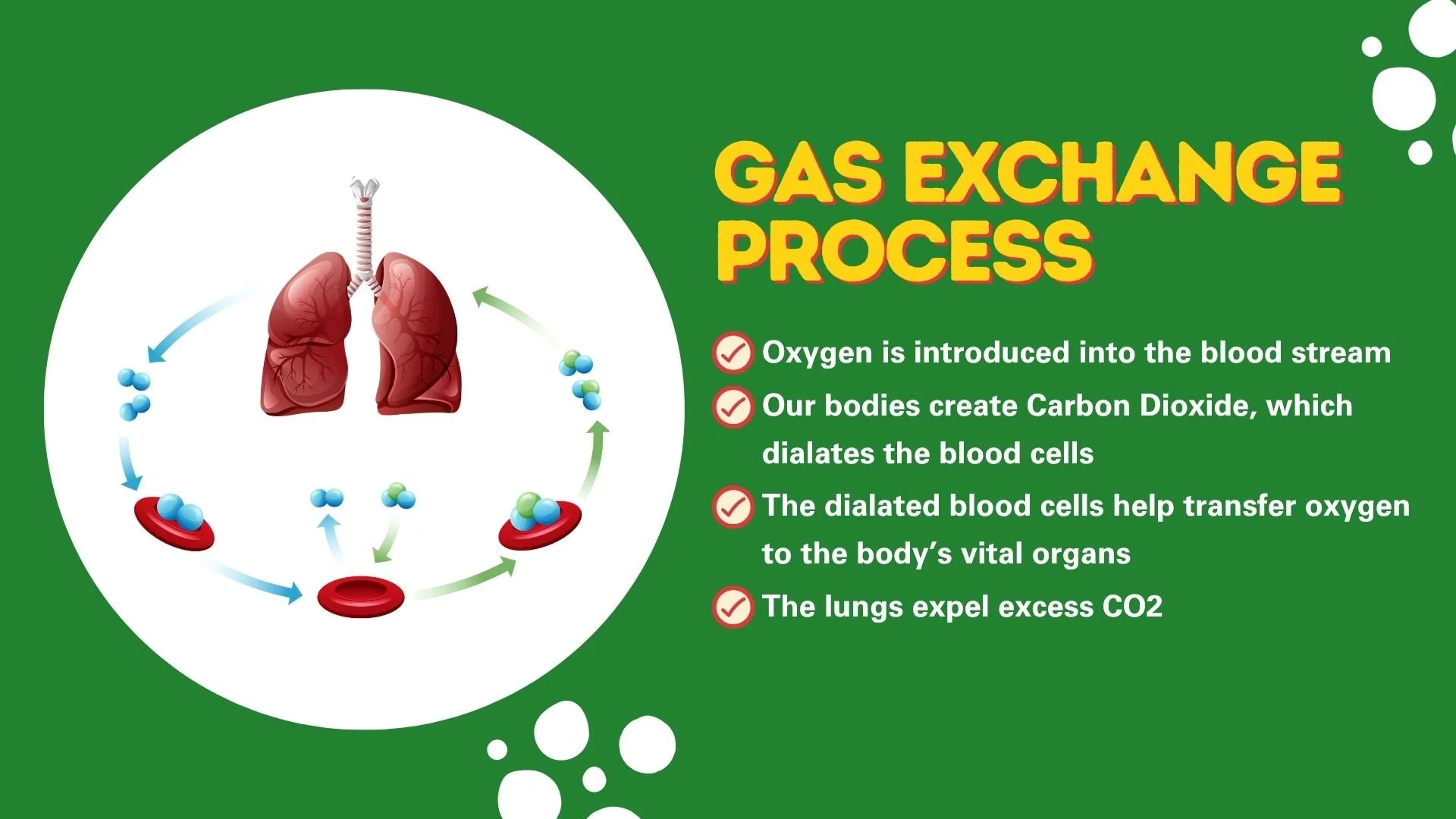
As shown in our Gas Exchange guides, the way we breathe changes our blood chemistry:
Controlled Breathing: Slowing down your breath allows CO2 to build up just enough to dilate your blood cells.
Oxygen Transfer: These dilated cells are much more efficient at transferring oxygen to your vital organs and muscles.
The Result: You aren't just "calming down"—you are physically oxygenating your brain and body at a cellular level.
When the poses get tough and your mind starts to race, breathe louder than your thoughts. Use the sound of your breath to override the noise of your anxiety.
Beyond the Stretch: The Biological Necessity of Savasana
Students can sometimes feel "guilty" during Savasana, especially if they are new to the yoga practice. In reality, Savasana is the most productive part of the class.
This is the moment where we let go of physical effort to allow Internal and Cellular Respiration to take over. It’s the period where:
Fatigue passes through the body.
Your Chi (energy) flows freely.
Your brainstem resets for the "physical world."
We don't just finish the class and stop; we prepare for Yoga Karma—the practice of taking that relaxed, focused attention out into your daily life.
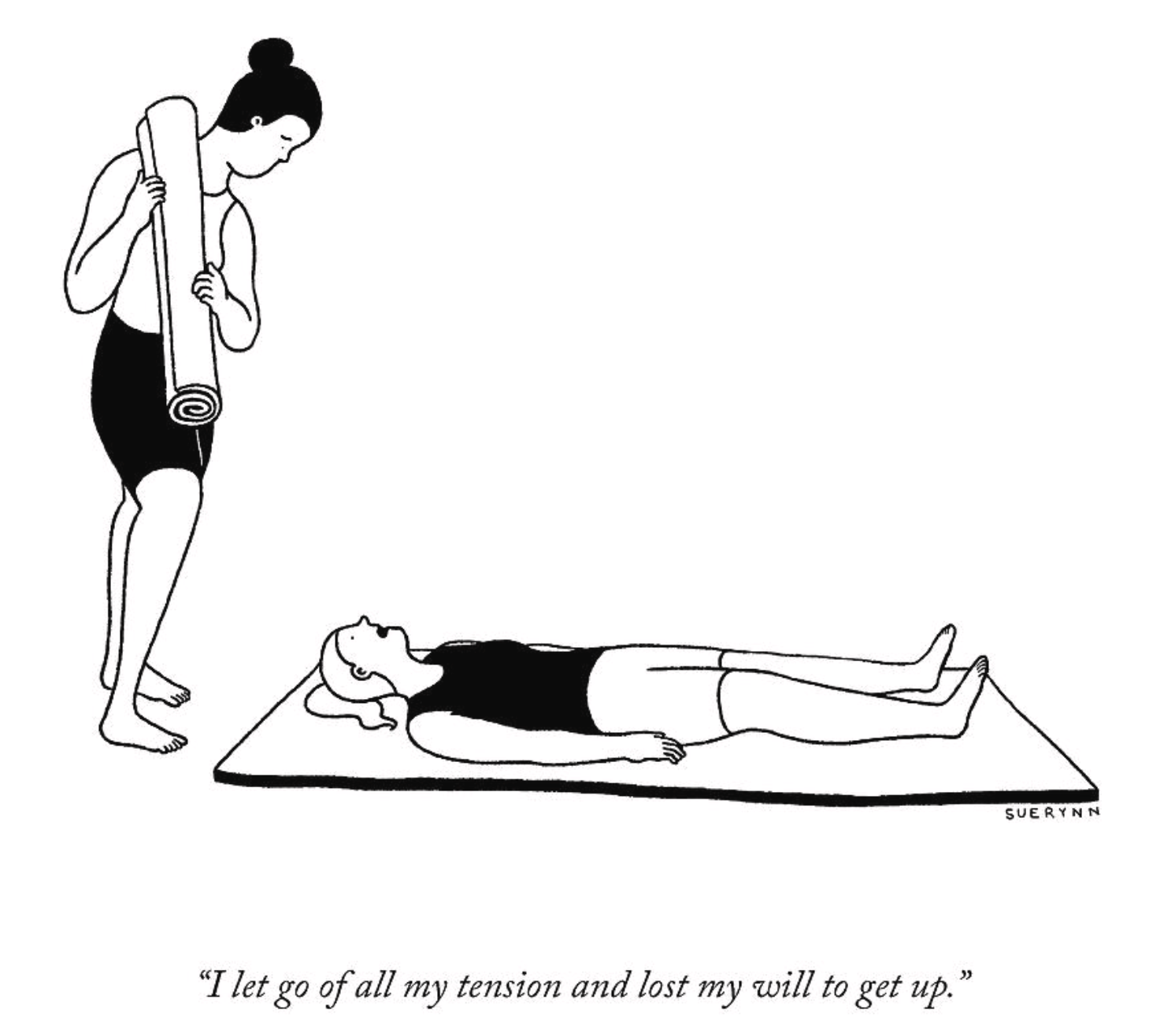
Source: New Yorker Magazine
Ready to rewire your brain? Whether you’re dealing with a "noisy" mind or just feeling mentally foggy, your mat is waiting. Let’s stop just stretching and start living fully.
Expert Tip: Next time you feel a spike of anxiety, check your breath. If it's shallow, you're starving your cells of the dilation they need. Take one slow, controlled breath and remember: you have the power to regulate your own arousal network.