Flexibility is more than just being able to touch your toes or perform impressive splits—it's an integral part of overall physical health, helping to prevent injuries, reduce aches, and improve posture. At Banana Yoga in Oakland, CA, we believe that anyone can enhance their flexibility through the ancient and modern wisdom offered by yoga. In this post, we’ll explore how yoga gradually improves flexibility by targeting fascia, lengthening muscle fibers, and, perhaps most importantly, embracing consistency through the yogic principle known as Abhyasa.
Understanding Flexibility and Its Importance
Before we dive into yoga’s unique approach, let’s quickly define flexibility. Flexibility is the ability of your joints and muscles to move through their full range of motion. Greater flexibility not only improves athletic performance but also aids everyday movements, reduces muscle tension, and supports healthy aging.
However, flexibility doesn’t happen overnight. It is fostered over time as your muscles, tendons, and connective tissues gradually adapt to new ranges of motion. Here’s where yoga makes its mark.
Fascia: Yoga’s Hidden Target for Flexibility
One of yoga’s lesser-known, but most powerful effects is on fascia—the intricate web of connective tissue that wraps around muscles, bones, nerves, and organs. When fascia becomes dehydrated or tight from inactivity, repetitive motion, or stress, it restricts movement and creates stiffness.
Yoga, through its sequences of mindful stretches and sustained postures, gently opens and hydrates the fascia. This process, often described as “releasing” or “melting” fascia, enables:
Greater joint mobility
Lengthened muscle fibers
Reduction of chronic tension and pain
Fascia doesn’t respond well to rapid stretching or forcing the body. Slow, conscious movements, like those found in Yin Yoga or deep Hatha stretches, allow the fascia to gradually soften and adapt.
Tip: Poses such as Downward Dog, Pigeon, and Forward Folds are particularly effective at opening up the fascial tissue of hips, legs, and back.
The Science: Yoga and Muscle Lengthening
Each yoga pose targets specific muscle groups, encouraging both static and dynamic stretches. When you hold a posture—say, a gentle seated forward fold—the muscle strands (myofibrils) elongate as you exhale and settle deeper.
With regular practice, these muscle fibers become accustomed to their elongated state, allowing your body to move more freely. Over time, this process:
Increases muscle elasticity
Enhances circulation to muscle tissue
Promotes greater relaxation and range of movement
Remember, flexibility is not about “forcing” the body but about encouraging it to open, little by little, in a safe and supportive way.
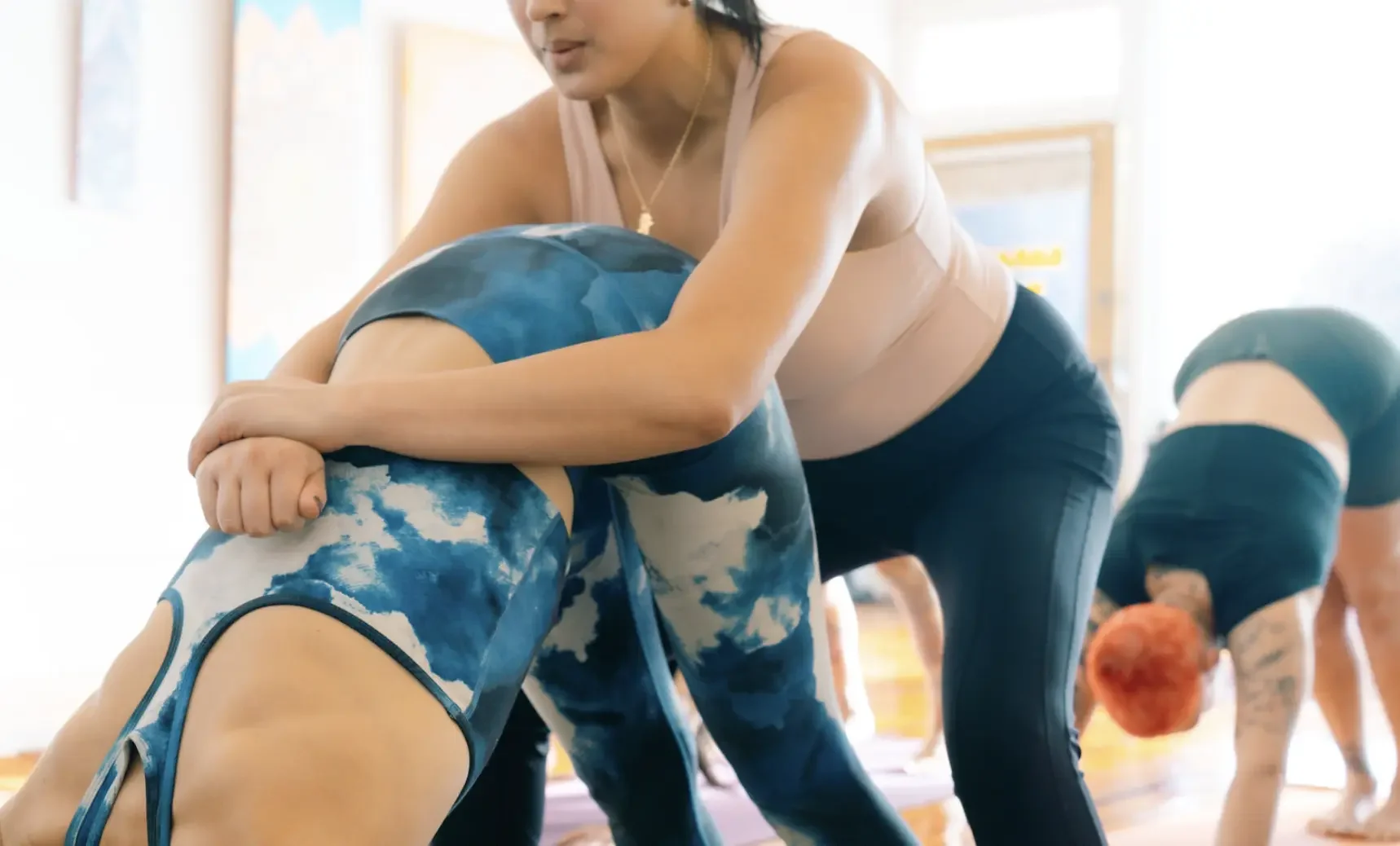
Flexibility is Built with Consistency: The Yogic Principle of Abhyasa
In yoga philosophy, the concept of Abhyasa—which means “consistent practice” or “dedicated effort over time”—is a guiding light for anyone seeking transformation, whether physical, mental, or spiritual.
“Practice becomes firmly grounded when attended to for a long time, without break and with sincere devotion.” — Yoga Sutras of Patanjali, I:14
Copy
When it comes to flexibility, a single deep stretch or occasional class won’t yield lasting results. Instead, committing to a regular practice—just 2-3 yoga sessions a week—leads to:
Gradual, lasting muscle and fascia adaptation
Increased trust in your own body’s ability to open
Reduced risk of injury from overstretching
At Banana Yoga, we foster an environment where Abhyasa is celebrated. Our classes are welcoming, accessible, and designed for all experience levels. This encourages you to build a ritual that suits your unique journey.
Tips for Building Flexibility With Yoga
1. Start Where You Are
Honor your current mobility. Yoga is not about comparison—but about personal growth.
2. Focus on Breath
Breathwork (pranayama) triggers the relaxation response, helping the fascia and muscle strands release tension more effectively.
3. Be Patient With Progress
Flexibility gains can be subtle. Journaling or recording progress can keep motivation high.
4. Mix Static and Dynamic Stretching
Try a combination of slow-held poses (Yin, Restorative) and flowing sequences (Vinyasa) to address both fascia and muscle fibers.
5. Embrace Abhyasa
Consistency yields results—schedule regular yoga time as you would any other important activity.
Why Practice Yoga at Banana Yoga in Oakland?
Banana Yoga is more than just a studio—we’re a vibrant, award-winning community in the heart of Oakland. Our classes are affordably priced and taught by experienced instructors who understand the science and philosophy behind building flexibility. We also host fun community events like art shows, clothing swaps, and movement workshops—helping you connect with others on a similar wellness journey.
Whether you’re a beginner looking to touch your toes or an athlete seeking greater range of motion, our studio is a supportive space to explore yoga’s many gifts.
Visit us online at bananayoga.co or stop by for a class and start your flexibility journey today!
Conclusion: Patience, Practice, and Progress
Yoga offers a scientifically-backed, time-honored path to greater flexibility by gently opening your fascia, lengthening your muscles, and, through consistent practice (Abhyasa), transforming how your body moves. Remember: Everyone can become more flexible—one breath, and one class, at a time.
Ready to get flexible? See our class schedule and community events at bananayoga.co