How Yoga Helps with ADHD Symptoms
If you have ADHD, you’ve probably been told a thousand times to "just try yoga" or "just meditate." And if you’re like most of us, your internal response is a resounding: "How? My brain doesn't have an off switch."
Most people think yoga helps ADHD because it’s "relaxing." But the truth is much more fascinating—and scientific. Yoga isn’t just a way to stretch your hamstrings; it is a high-level training ground for the neural networks that govern your attention.
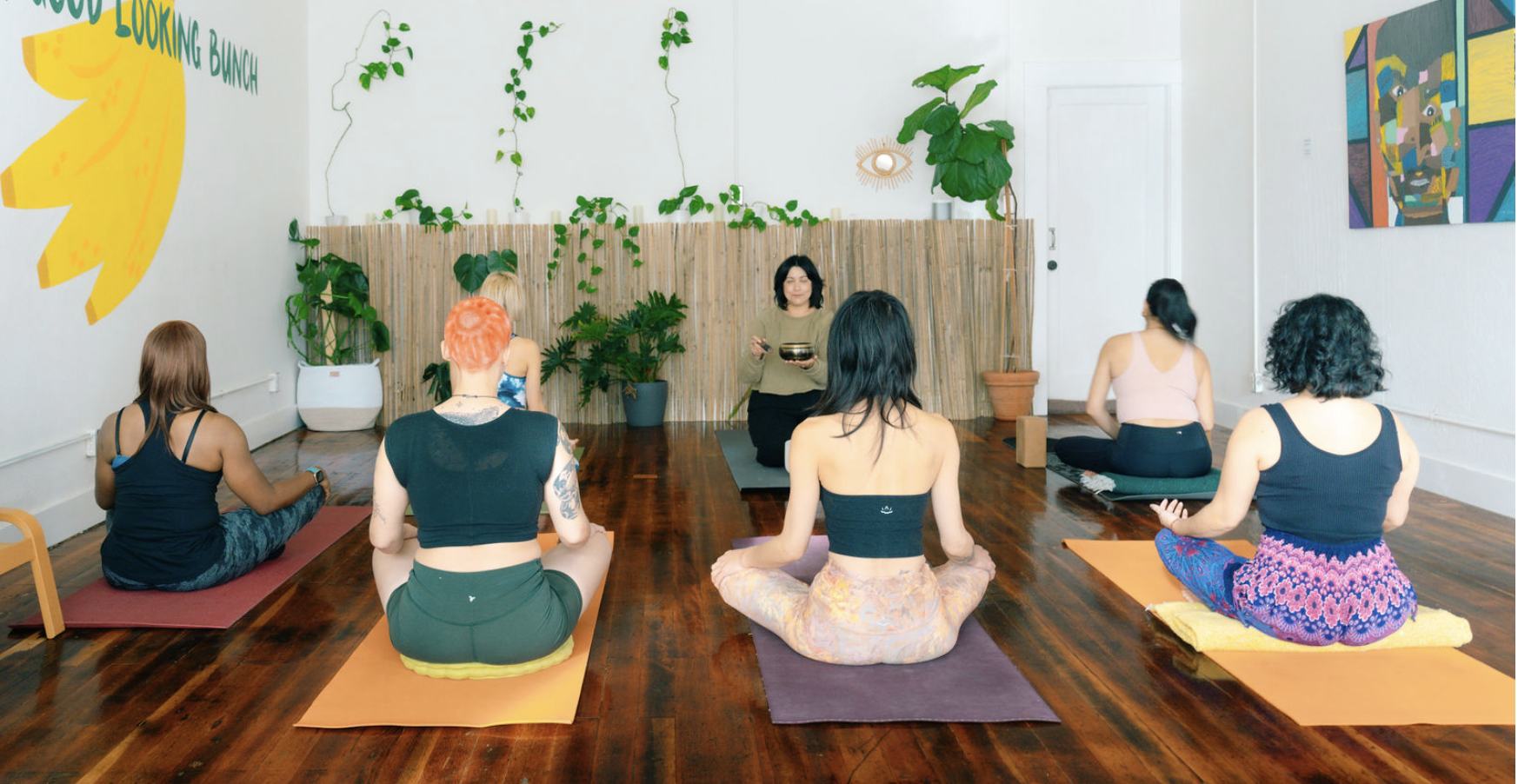
The Science: Training Your Brain’s "Alert System"
To understand why yoga works, we have to look at two specific systems in the brain: the Alerting Network and the Orienting Network.
1. Resetting the Alerting Network
Controlled by the brain stem and the pre-frontal cortex, this network is your "danger sensor." It tells you when to be alert. In ADHD brains, this system can become overstimulated, leading to hyper-vigilance. When you are hyper-vigilant, your focus isn't just scattered—it’s panicked.
Yoga acts as a manual "reset" button. By intentionally removing yourself from technology and outside stimulation, you give your brain stem a break. As you focus on the sensations in your body, you are teaching your brain that it is safe to downshift from "high alert" back to "calmly aware."
2. Strengthening the Orienting Network
Think of the Orienting Network as a spotlight. It decides where your attention goes. In ADHD, that spotlight is often hijacked by every shiny object or loud noise in the room.
Through Asana (postures) and Dharana (focused meditation), yoga teaches you to take hold of that spotlight. By intentionally directing your focus to the alignment of your foot or the rhythm of your breath, you are literally rewiring your neural pathways to be less reactive to outside distractions.
The Research Backs This Up: This isn't just theory. A 2023 studyfocused on children with ADHD found that consistent yoga practice led to significant improvements in both inattention and emotional regulation. This confirms that by engaging these networks, we can actually decrease the "noise" of ADHD symptoms and improve how we handle our feelings.
Why "Failing" at Meditation is Actually Winning
The biggest myth in the ADHD world is that you have to "clear your mind." Let’s be real: that’s not happening.
When you sit for a slow practice or meditation, you will get frustrated. Your mind will wander 1,000 times. That is not a failure. Every single time you realize you are lost in a "trance of thinking" and you choose to bring your focus back to your breath, you just did a "brain pull-up." Even if you have to do it 1,000 times a day, each repetition is a win. You aren't failing at yoga; you are training your Orienting Network in real-time.
Try This Today: The "Labeling" Trick
You don't even need a yoga mat to start training your brain. The next time you notice your mind has wandered off, don't get angry. Instead, simply label it.
When you catch yourself drifting, ask: What is my brain doing?
Is it "planning"?
Is it "remembering"?
Is it "fantasizing"?
By naming the thought, you create a tiny bit of distance between you and the distraction. This simple act of awareness is the first step toward reclaiming your focus and calming the hyper-vigilant ADHD brain.